
These 9 Foods Are Stronger Than Sleeping Pills (Eat This Before Bed for Deeper Sleep)
Feb 20, 2026Believe it or not, the foods you eat throughout the day can act as powerful natural sleep aids.
If you’re tired of tossing and turning at night, don’t love the side effects of sleeping pills, or simply want a more natural way to improve your sleep — you’re in the right place.
In this post, I’m sharing 9 foods that support deeper, more restorative sleep naturally, without medication. And I’ll also explain why, for some people, food alone still isn’t enough — and what actually makes the biggest difference when insomnia has been happening long-term.
🎥 Watch this on YouTube (or keep reading below!):
Why Food Can Be a Powerful Natural Sleep Aid
Food is natural medicine.
Certain foods help improve sleep quality by naturally increasing melatonin, the hormone that regulates your sleep–wake cycle. Research shows that foods high in melatonin can raise melatonin levels in the blood and support deeper sleep.
Sleeping pills, on the other hand, don’t work as well as many people think. According to the American Academy of Sleep Medicine, sleep studies show that sleeping pills typically help people fall asleep only 8–20 minutes faster and add less than 35 minutes of total sleep.
That’s why many people are looking for more natural, sustainable ways to sleep better.
A Note About Melatonin Supplements
Personally, I’m not a fan of melatonin supplements.
While some people swear by them, they backfired for me and actually made it harder to sleep. There’s also growing discussion around supplements potentially interfering with the brain’s natural melatonin production.
That’s why I prefer melatonin-rich foods instead.
Top Foods for Better Sleep (Naturally)
1. Almonds
Almonds are a true sleep superstar. They’re rich in melatonin, magnesium, fiber, and antioxidants — all of which help relax the body and calm the mind.
They’re also a slow-release protein, which helps stabilize blood sugar throughout the night. This can be especially helpful if you wake up in the middle of the night and struggle to fall back asleep.
A small handful of almonds before bed can support deeper, more consistent sleep.
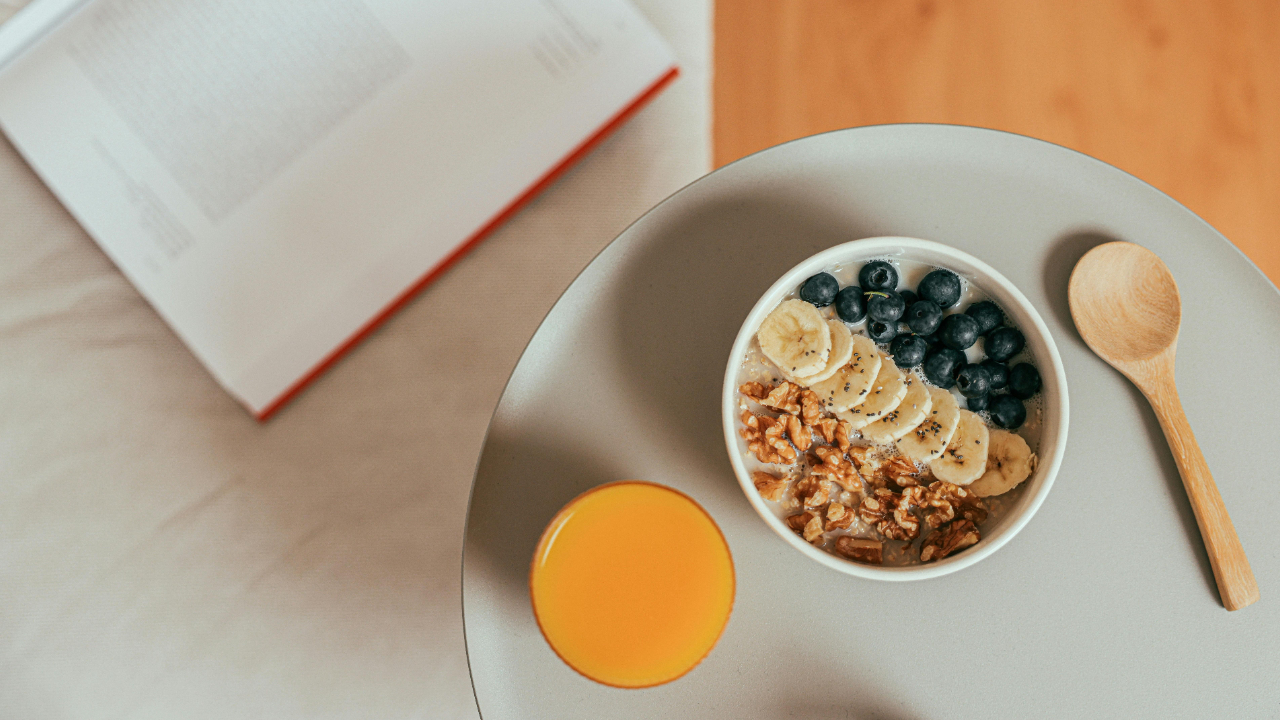
2. Oatmeal With Honey
A warm bowl of oatmeal with a drizzle of honey makes a great nighttime snack.
Oats provide gentle carbohydrates and magnesium, while honey helps boost melatonin production. Together, they help your body wind down without feeling heavy or overly full.
3. Bananas
Bananas are rich in magnesium and potassium, which help relax muscles. They also contain vitamin B6, which helps convert tryptophan into melatonin.
You can eat a banana on its own or add slices to oatmeal with honey for an extra sleep-supporting boost.
4. Tart Cherries (or Tart Cherry Juice)
Tart cherries — especially Montmorency cherries — are one of the few natural sources of melatonin.
While tart cherry juice is popular, it can be high in sugar. Eating the cherries themselves may be a better option. They’ve also been linked to reduced inflammation and joint pain.
5. Warm Milk
Warm milk naturally contains melatonin and has long been associated with relaxation before bed.
If drinking liquids late at night doesn’t disrupt your sleep, this is an easy option to experiment with.
6. Salmon
Fatty fish like salmon are excellent sources of omega-3 fatty acids and melatonin.
Including salmon (or sardines, if you enjoy them!) a few times per week can support melatonin production and help you fall asleep faster.
7. Eggs
Eggs are one of the best animal-based sources of melatonin.
They’re also rich in protein, iron, and vitamin D — all of which play a role in sleep quality. Low vitamin D levels, in particular, have been linked to poorer sleep.
8. Goji Berries
Goji berries have one of the highest melatonin contents of any fruit.
You’d need around 15–20 grams per day (roughly 60 berries) to get the benefits, so they’re best added to oatmeal, yogurt, or smoothie bowls rather than eaten alone.
9. Pistachios
Pistachios are another nut high in melatonin and a slow-release protein.
About 20–30 pistachios before bed can help stabilize blood sugar and support deeper sleep — and they’re a great option if you enjoy a savory snack at night.
When Foods Aren’t Enough
While food can absolutely support better sleep, it’s not always the missing piece — especially if:
- your mind races at night
- you feel wired but tired
- stress dominates your daily life
In those cases, the issue usually isn’t melatonin or nutrition — it’s that your brain hasn’t learned how to fully slow down at night.
Chronic insomnia often comes from a nervous system that’s stuck in alert mode. When nighttime doesn’t feel safe to your brain, no food or supplement can fully override that.
Free Masterclass: Retrain Your Brain to Sleep Naturally
If you feel like you’ve already tried everything — including diet changes — I highly recommend watching my free masterclass for chronic insomnia and sleep anxiety.

In this training, I explain:
- why the brain stays alert at night
- how to retrain your brainwaves to slow down automatically
- the strategy that helped me end my own 16-year battle with insomnia
👉 Get free access to the masterclass here!
Final Thoughts
Food can be a powerful tool for improving sleep — but it works best when your mind and body feel safe enough to truly rest.
When nutrition and nervous system regulation work together, sleep becomes deeper, easier, and far more consistent.
💙 For more sleep support, programs, and resources, visit my website:
Wishing you restful nights, and a beautiful day ahead 🌙✨
To better sleep,
Meredith Louden 😴
Founder of Sleep Success®
