
Can’t Sleep Because of Anxiety? 3 Tips to Calm Nighttime Anxiety & Sleep Better Naturally
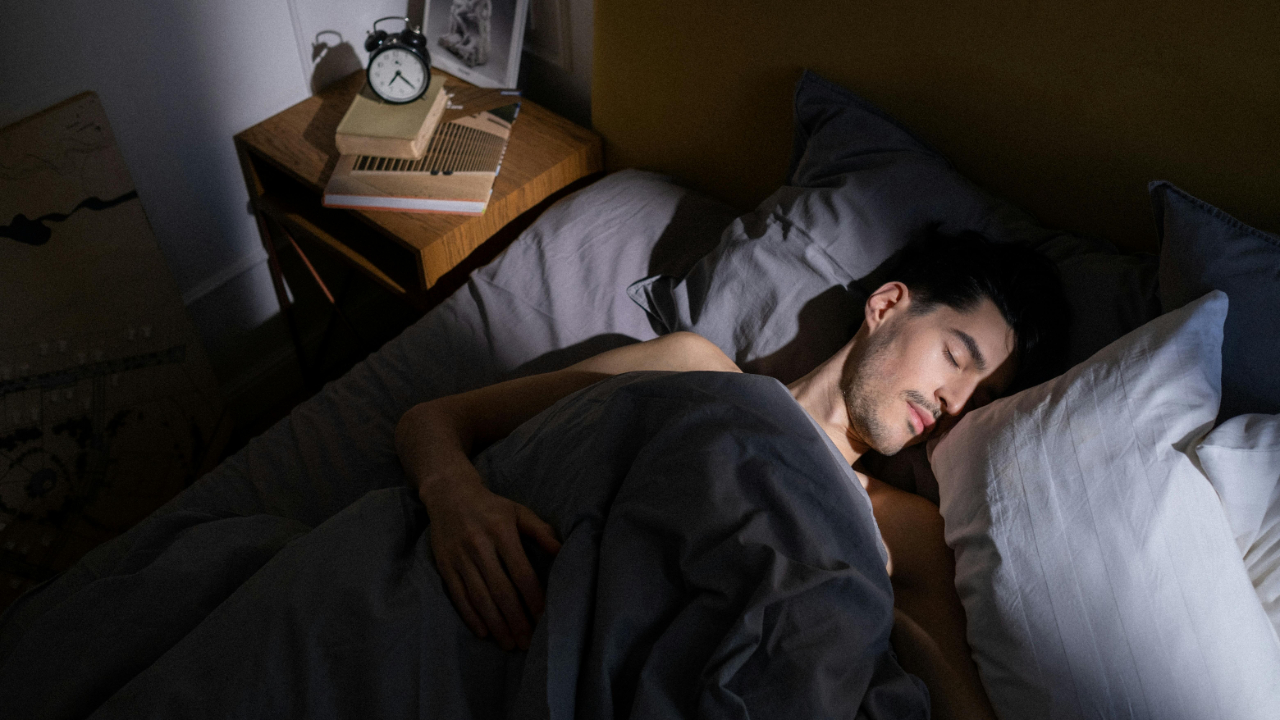
Mar 17, 2026Do you ever lie in bed at night feeling physically exhausted… but your mind just won’t shut off?
Maybe your thoughts start racing the second things go quiet.
Maybe you replay conversations from the past, worry about tomorrow, or spiral into endless “what if” scenarios.
You feel tired — yet wired. Restless. On edge. Like your body simply refuses to relax.
If this sounds familiar, you’re not alone. Nighttime anxiety is incredibly common, especially for people who struggle with insomnia.
🎥 Watch this on YouTube (or keep reading below!)
Why Anxiety Gets Worse at Night
During the day, we stay busy. We distract ourselves with work, responsibilities, conversations, and screens. But when you finally lie down at night and the external world quiets… your internal world gets loud.
All the thoughts and emotions you’ve been pushing aside during the day — stress, worries, unresolved feelings — finally come to the surface.
Your brain believes it’s being helpful by processing everything at night. But what it’s actually doing is activating your stress response.
And here’s the key thing to understand:
If your body is in fight-or-flight mode, sleep cannot happen.
Your brain’s number one job is to keep you safe. When it interprets unresolved thoughts or emotions as potential threats, it stays alert — even if you logically know you’re safe in bed. This keeps melatonin suppressed and makes falling asleep feel impossible.
So if anxiety shows up at night, it’s not because something is wrong with you — it’s because your brain is misinterpreting nighttime as unsafe.
Tip #1: Stop Trying to Force Sleep — Focus on Feeling Safe Instead
One of the biggest mistakes people make with nighttime anxiety is trying harder to sleep.
But sleep is a passive process. You can’t force it.
Instead of thinking, “I need to fall asleep right now,” shift your focus to calming your nervous system.
Try gently reminding yourself:
- “I’m safe.”
- “My day is done.”
- “There’s nothing I need to solve right now.”
This may sound simple, but your subconscious mind needs reassurance. When you intentionally communicate safety to your survival brain, pressure drops — and that’s when sleep becomes possible.
The less you try to sleep, the easier sleep comes.
Tip #2: Speak to Your Anxiety (Instead of Fighting It)
This is one of the most powerful techniques I teach my coaching clients.
When anxiety shows up at night, instead of resisting it or getting frustrated, talk to it.
Try saying something like:
“Thank you, anxiety, for trying to protect me. I know you’re just doing your job. But I’m safe now — and you can rest too.”
This approach works because you’re no longer fighting your anxiety. You’re acknowledging it, which signals safety to your nervous system.
When you stop treating anxiety as an enemy, your brain no longer needs to stay on high alert.
Tip #3: Wind Down Slowly (Your Brain Needs a Buffer Zone)
Most people expect their brain to go from:
busy day → lights off → instant sleep
But it doesn’t work that way.
If you’re in “go-go-go” mode all day, expecting your brain to suddenly shut off is like slamming the brakes at 100 mph and hoping to stop instantly.
Your brain needs a transition period.
In the last 1–2 hours before bed, give yourself permission to slow down:
- Journaling
- Reading
- Meditation
- Light stretching
- Even doing your skincare routine more intentionally
The goal is to gradually shift your brainwaves from beta (alert) into alpha (relaxed) — the state where sleep happens naturally.
Free Masterclass: Retrain Your Brain to Sleep Naturally Again
If nighttime anxiety has been keeping you awake and you’re ready to stop battling your mind every night, I created a free masterclass to walk you through exactly how to retrain your brain and nervous system for natural sleep.
Inside, I share:
- The 3 biggest mistakes keeping you stuck
- The strategy I used to overcome 16 years of insomnia
- How to calm anxiety so sleep can happen again
👉 Access the free masterclass here!
Final Thoughts
Nighttime anxiety doesn’t mean your sleep is broken — it means your brain has learned to stay alert when it no longer needs to. When you stop forcing sleep and start creating safety, your body naturally returns to rest.
💙 For more sleep support, programs, and resources, visit my website:
👉 MeredithLouden.com
Wishing you rest, calm nights, and a beautiful day ahead 🌙✨
To better sleep,
Meredith Louden 😴
Founder of Sleep Success®
